
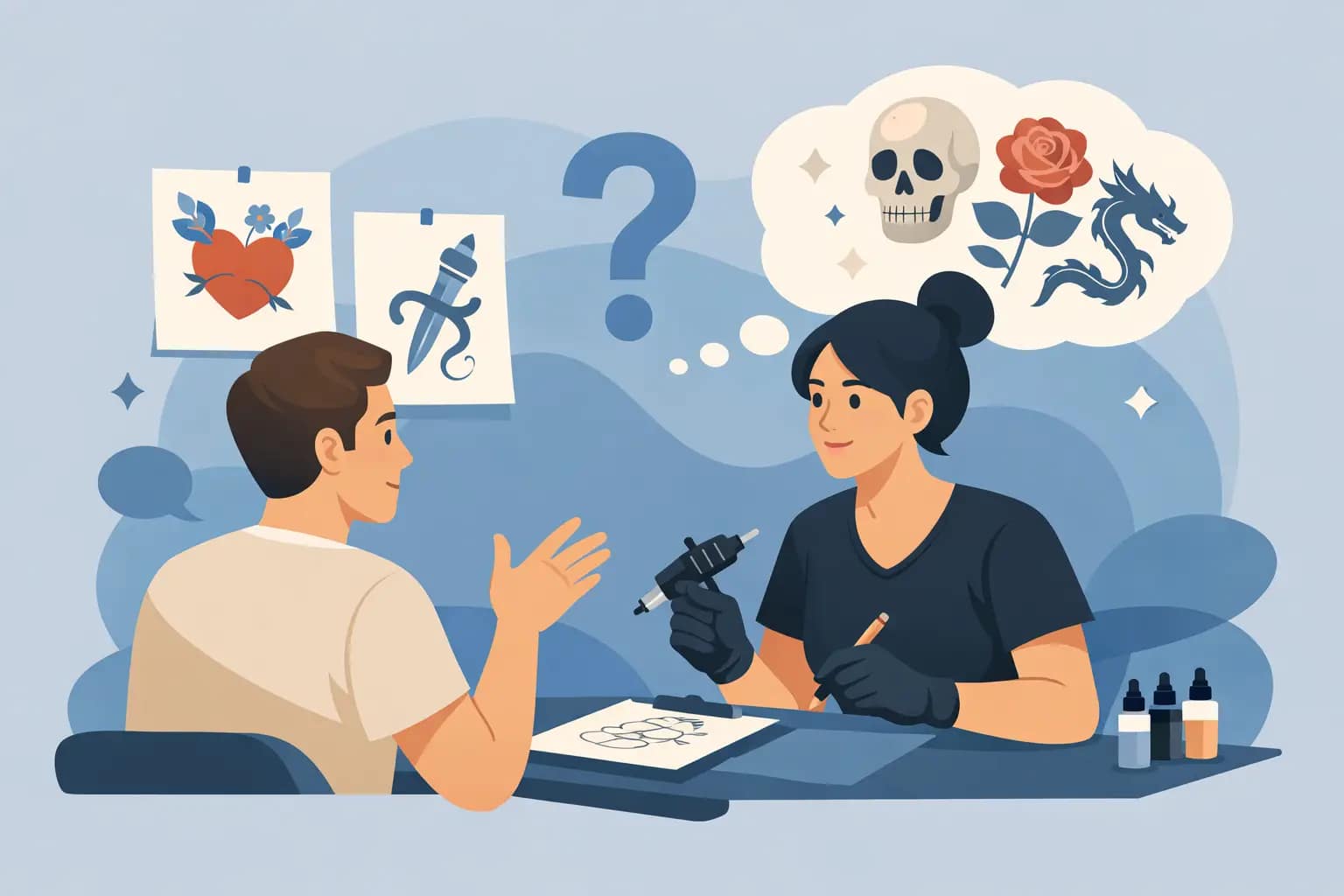
A great tattoo consultation usually tells you more than an artist’s portfolio alone. Beautiful healed work matters, of course, but the conversation is where you learn whether your idea is being heard, whether the style is the right fit, and whether the artist has a clear plan for turning your concept into something that will still look strong years from now. If you are preparing for a custom piece, asking the right tattoo artist consultation questions can save you from mismatched expectations, rushed design choices, and regret later.
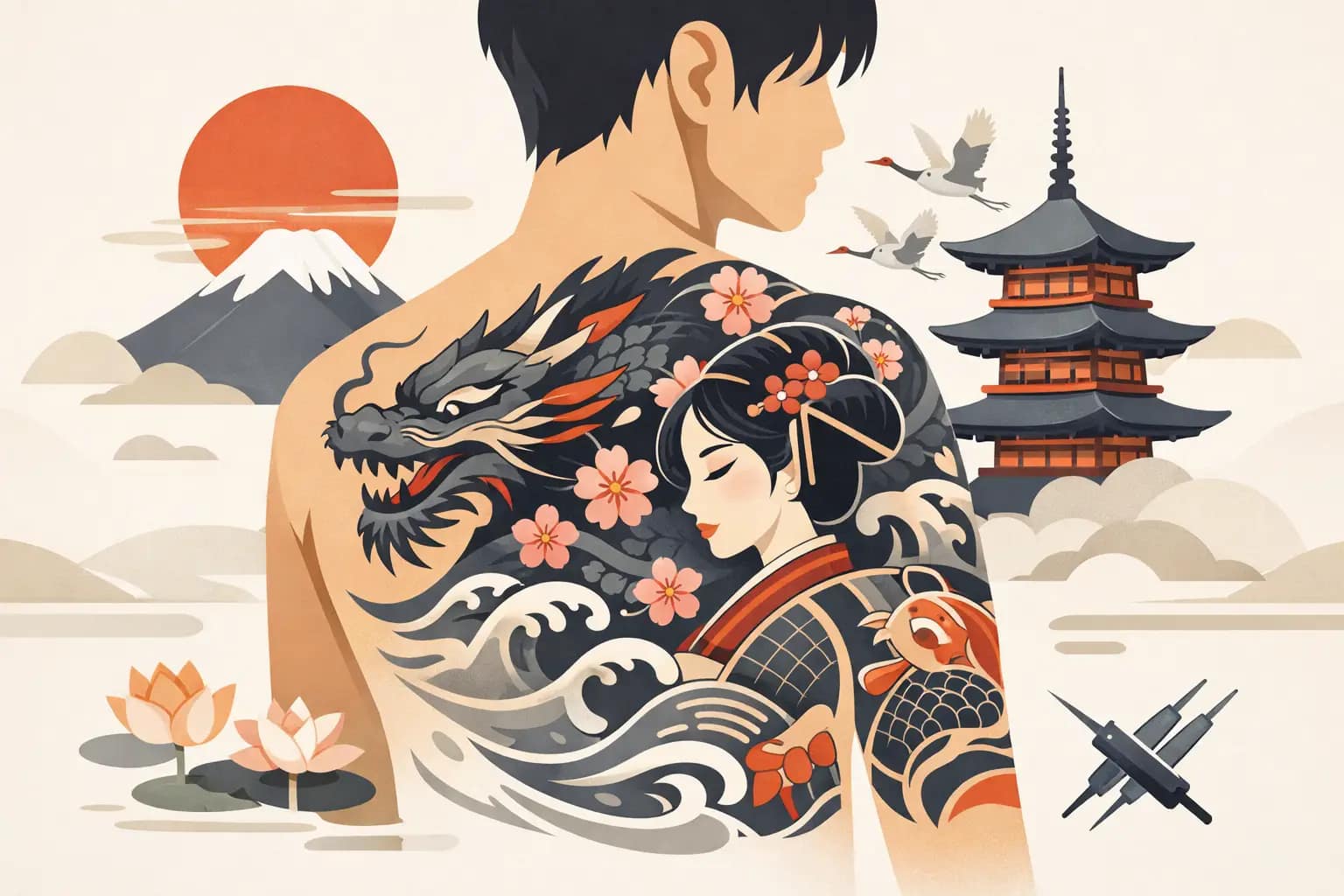
For custom Japanese, Irezumi-inspired, and Neo-Traditional work especially, the consultation is not a formality. It is part of the art process. These styles rely on composition, flow, symbolism, and long-term readability. That means the best questions are not just about price or scheduling. They also help you understand how the artist thinks.
Why tattoo artist consultation questions matter
A consultation should do two things at once. It should give the artist the information needed to design well, and it should give you the confidence to move forward. When either side treats it casually, the tattoo usually suffers for it.
Clients sometimes come in focused on a single image from Pinterest or a rough placement idea. That is understandable, but custom tattooing works better when the conversation goes deeper. An experienced artist is looking at skin movement, anatomy, scale, contrast, longevity, and how one element supports another. A dragon on the forearm, for example, is not just a dragon. It is direction, motion, negative space, background balance, and how the composition wraps the body.
That is why strong consultations feel collaborative without turning into design-by-committee. You want an artist who listens carefully and then leads with confidence.
The best tattoo artist consultation questions to ask
Some questions are practical. Others reveal how seriously the artist approaches craftsmanship. Both matter.
1. Is my idea a good fit for your style?
This is one of the most useful questions because it gets straight to alignment. A skilled artist can execute many things well, but specialists tend to create their best work within a clear visual lane. If you want Japanese-inspired storytelling, bold Neo-Traditional structure, or a custom piece with strong flow, you want honesty here.
A good answer may include some limits. That is a positive sign. If an artist explains that your concept needs to be adjusted to fit the style or body placement better, that usually means they care more about quality than about telling you yes to everything.
2. How would you approach this as a custom design?
This opens the door to the artist’s creative process. Instead of asking whether they can copy a reference, ask how they would translate your idea into an original tattoo. Listen for discussion about composition, symbolism, scale, skin flow, and readability.
The strongest artists are not just picking images. They are building a piece.
3. What details from my story or references are actually useful?
Clients often worry about bringing too much or too little. This question helps narrow the conversation. Maybe the meaning behind the piece matters more than the exact reference images. Maybe one photo communicates color palette, while another only helps with mood.
The answer can tell you whether the artist knows how to separate inspiration from imitation.
4. Is this placement right for the design I want?
Placement can make or break a tattoo. A concept that works beautifully on the thigh may feel cramped on the forearm. A sleeve element may need room to breathe or connect with future work. Certain shapes fight the body, while others move with it naturally.
This is where experience shows. An artist who thinks long-term will explain not just what fits, but what will age well and remain visually clear.
5. What size does this need to be to look its best over time?
This question matters more than most first-time clients realize. Fine detail, crowded symbolism, and multiple focal points all require enough space. If the artist suggests going larger, it is not automatically an upsell. It is often a quality decision.
There is always a trade-off between detail and longevity. The smaller the tattoo, the more selective the design needs to be.
6. How many sessions do you expect this to take?
For custom work, especially larger Japanese or Neo-Traditional pieces, one session may not be realistic. Ask what the full process looks like. Is the first session mostly linework and structure? Will color or background come later? How much healing time is usually needed between appointments?
This helps you plan financially and mentally. It also sets realistic expectations for how the tattoo will develop.
7. How do you handle design revisions?
This is one of the smartest tattoo artist consultation questions because it protects the collaboration on both sides. You should know when you will see the design, what kind of changes are reasonable, and whether revisions are better discussed before the appointment or on the day of.
Custom tattooing is not the same as hiring a graphic designer for unlimited rounds of edits. At the same time, you should feel comfortable speaking up if a symbolic detail matters or if a major element feels off.
8. What should I expect in terms of pain and session pacing?
Pain tolerance varies. Placement matters. Session length matters. Your stress level, sleep, hydration, and overall health matter too. A thoughtful artist will not give you a dramatic speech about pain. They will usually give you a practical answer based on your design and placement.
This question is also useful because it tells you whether the studio values client comfort, breaks, and realistic pacing.
9. What does healing typically look like for this type of tattoo?
Healing advice should be clear, not vague. Ask what is normal, what is not, and how aftercare may differ based on placement, color saturation, or session length. A large shin tattoo heals differently than a small upper arm piece. A heavily saturated area may stay tender longer.
The point is not to memorize every possibility. It is to make sure the artist gives aftercare the same level of seriousness as the tattoo itself.
10. How do you plan for tattoos to age well?
This question tends to separate trend-focused tattooing from craftsmanship. A strong answer may include line weight, contrast, spacing, color choices, and how much detail the skin can realistically hold over time.
If longevity matters to you, and it should, ask directly. A tattoo can look sharp on day one and still be a poor long-term design.
11. Are there any parts of my idea you would advise against?
This gives the artist permission to be honest. Maybe the concept has too many competing symbols. Maybe a certain small text element will not read cleanly. Maybe the reference image is visually interesting but structurally weak as a tattoo.
You want that honesty before the stencil goes on, not after the piece heals.
12. What should I do before the appointment to prepare?
Preparation affects the session more than people think. Sleep, hydration, eating beforehand, avoiding alcohol, and dressing for access to the placement all make a difference. For larger projects, mental preparation matters too. You are showing up for a real commitment, not an impulsive errand.
13. How should I think about budget for a custom piece?
Price matters, but the better conversation is value. Ask how the artist structures pricing, deposits, and multi-session planning. A serious custom tattoo is an investment in design time, technical execution, and years of visible wear.
If an artist explains pricing with clarity and without pressure, that is a good sign. If cost is your main limiting factor, it is better to say so early than to force a design smaller or faster than it should be.
14. If I want to build on this later, how should we plan for that now?
This is especially important for sleeves, back pieces, leg projects, or any tattoo that may grow into a larger composition. Even if you are starting with one major element, the artist can leave room for expansion, balance future shapes, and avoid awkward dead space.
Planning ahead does not lock you into a full bodysuit. It just keeps the door open for better composition later.
15. What makes a client-artist collaboration work well from your side?
This question is underrated. It shows respect for the process and often leads to the most revealing answer of the consultation. Many artists will say the same core things: clear communication, trust, openness to guidance, and a shared focus on making the best tattoo rather than controlling every tiny detail.
That is usually where the best work comes from.
What to listen for during the consultation
The answers matter, but the tone matters too. You want an artist who can explain decisions clearly without talking down to you. Confidence is good. Pressure is not. If every concern you raise gets brushed aside, that is a problem. If every artistic recommendation is delivered with care and logic, that is a very different experience.
Pay attention to whether the artist asks you thoughtful follow-up questions. The best consultations feel focused. They pull meaning out of your idea, refine it, and bring it into a design language that suits the body.
For clients seeking custom work in Sacramento and beyond, that level of conversation is often the difference between getting a decent tattoo and getting a piece that truly feels built for you.
A consultation should leave you clearer, not more confused
You do not need to arrive with every answer. That is not your job. Your part is to bring the idea, the intention, and the willingness to have a real conversation. The artist’s part is to shape that into something masterful, honest, and wearable.
When the consultation is done well, you leave with more than a date on the calendar. You leave with trust in the process, a stronger vision for the piece, and the sense that your tattoo is being created with purpose. That is exactly how custom work should begin.