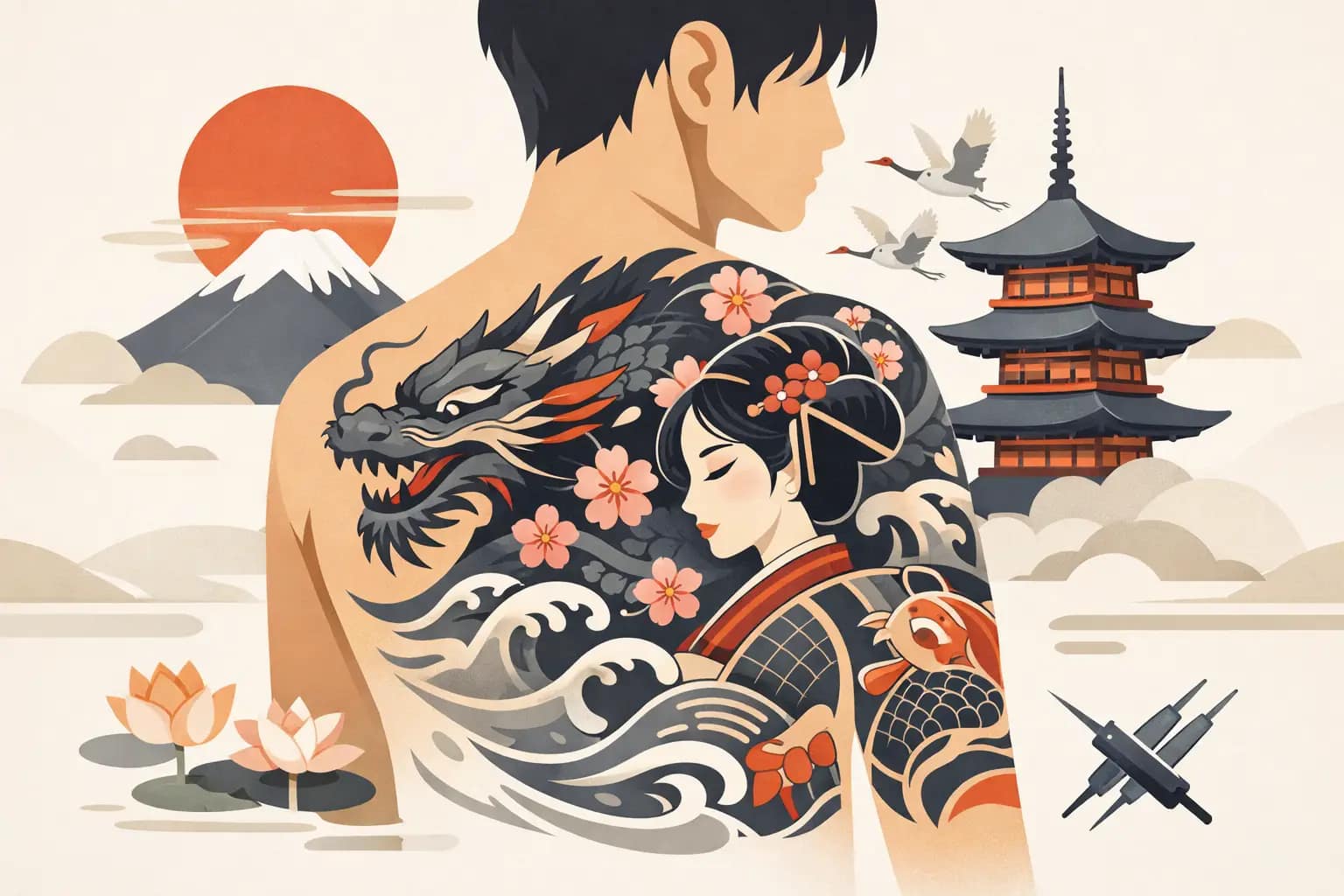

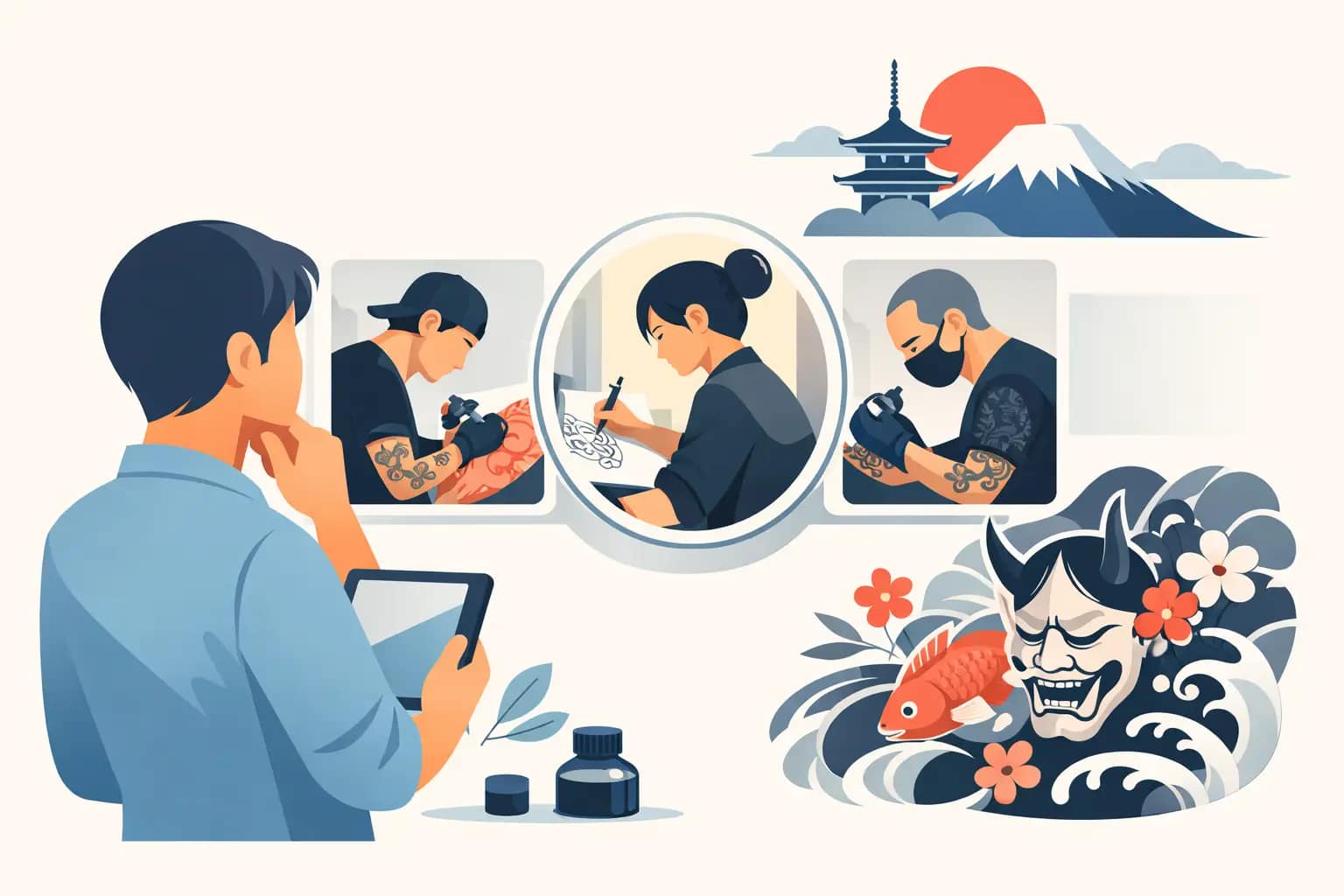
A sleeve with koi, wind bars, and peonies can look impressive on a screen. On skin, over years, the difference comes down to who designed it, how it flows with the body, and whether the artist understood more than just the surface look. If you are searching for a custom japanese tattoo artist, you are not really shopping for a trend. You are choosing the person who will translate symbolism, movement, and structure into something that still feels powerful long after the appointment ends.
That choice matters more with Japanese-inspired work than people sometimes realize. This style carries visual rules, cultural references, and a strong sense of composition. When it is handled well, the tattoo feels intentional from every angle. When it is handled poorly, even good linework can feel crowded, flat, or disconnected.
What a custom japanese tattoo artist actually does
A true custom process starts well before the needle touches skin. It is not just picking a dragon, adding a flower, and moving things around until the space is filled. A specialist looks at placement, scale, body flow, and the relationship between primary and secondary elements. They also consider how background, contrast, and negative space support the main subject.
That is where custom work separates itself from flash-driven tattooing. Flash has its place, but Japanese-inspired large-scale work usually asks for more. A back piece, half sleeve, chest panel, or bodysuit concept needs rhythm. It needs to move with the body rather than sit on top of it.
A skilled artist will also guide you through symbolism without turning the process into a history lecture. Maybe you are drawn to a koi for perseverance, a tiger for strength, or chrysanthemums for endurance and nobility. The right artist helps connect those ideas to your story while keeping the final design visually cohesive.
Why specialization matters in Japanese tattooing
Not every talented tattooer is the right fit for Japanese work. That is not a criticism. It is just the reality of a style with its own design language.
Japanese and Irezumi-inspired tattooing depend on balance. Large forms need breathing room. Background elements such as waves, smoke, wind, or bars are not filler. They create motion and structure. If an artist does not regularly work in this style, they may still produce a technically solid tattoo, but the composition can miss the depth and authority that make Japanese work feel timeless.
This is especially important for larger projects. A sleeve is not a collection of separate tattoos stacked together. It should read as one complete piece. The same goes for a leg sleeve, back piece, or chest panel. A specialist sees the whole design first, then builds the details inside it.
That long-view approach is one reason clients looking for custom work often choose an artist with a defined point of view. The tattoo ends up stronger when the artist is not trying to be everything to everyone.
How to evaluate a custom japanese tattoo artist
Portfolio quality is the first filter, but not the only one. Look beyond whether the tattoos are bold or detailed. Pay attention to how the designs sit on the body. Does the composition wrap naturally around arms, shoulders, ribs, or legs? Do the background elements create movement, or do they feel like an afterthought? Are the large shapes readable from a distance?
Consistency matters too. One strong Japanese-style piece in a portfolio does not say much. A body of work does. You want to see repeated evidence that the artist understands dragons, snakes, koi, masks, florals, and background structure as part of a system, not as isolated subjects.
Healed work is another good sign. Fresh tattoos can hide a lot behind redness and saturation. Healed examples show whether the artist builds tattoos that hold their shape, contrast, and readability over time. For a style known for strong visual impact, that matters.
The consultation process also tells you a great deal. A good artist listens closely, asks useful questions, and gives honest feedback. If your idea needs refinement, they should be able to explain why. Sometimes the best answer is not yes to everything. Sometimes it is a better placement, a stronger subject pairing, or a different scale that allows the piece to breathe.
Questions worth asking before you commit
A serious tattoo project deserves a real conversation. Ask how the artist approaches custom design. Ask whether they build around your anatomy and whether they recommend planning for a full composition even if you are starting with one section.
It also helps to ask about their influences and how they balance traditional Japanese foundations with a more personal or modern interpretation. Some clients want a closer connection to classic Irezumi structure. Others want Japanese influence blended with Neo-Traditional color, texture, or subject matter. Neither is automatically better. It depends on your goals and on whether the artist can execute that direction with clarity.
You should also ask about pacing. Larger Japanese-inspired work often happens over multiple sessions. An experienced artist can help you understand what should be outlined first, how color and shading may be staged, and what kind of healing and scheduling rhythm makes sense for the piece.
Red flags to watch for
If every design starts looking the same no matter what the client asks for, that is worth noticing. Strong style is a good thing. Repetition without personalization is not. Custom work should still feel like your tattoo, not just a recycled formula.
Another red flag is overcomplication. Japanese-inspired tattoos can be rich with detail, but more detail does not always mean better design. If the composition is packed too tightly or the focal point gets lost, the tattoo may look impressive in the first month and weaker with age.
Be cautious with artists who cannot clearly explain their design choices. You do not need a formal presentation, but you should hear a thoughtful reason behind placement, scale, and subject pairing. Confidence is valuable. So is clarity.
The role of collaboration in custom Japanese work
The best custom tattoos come from trust on both sides. You bring the story, preferences, and intention. The artist brings design judgment, technical skill, and experience with what works on skin.
That balance is especially important in Japanese tattooing because the strongest pieces are not assembled like a checklist. They are composed. An artist may take your core idea and shift the pose, enlarge one element, simplify another, or recommend a better companion motif. Those changes are not about taking control away from you. They are often what turns a good concept into a masterful tattoo.
This is where working with a dedicated custom artist becomes so valuable. The process feels personal, but it is still guided by craftsmanship. At Dani Olmos Tattoo, that balance between client vision and artistic structure is what gives a piece both meaning and staying power.
Choosing for the long term, not the quick win
A custom Japanese tattoo is rarely just about getting tattooed soon. It is about getting tattooed well. That can mean waiting for the right artist, taking time in consultation, or allowing the design to evolve before your first session.
For clients in Sacramento and across Northern California, that patience usually pays off. A thoughtful design reads better, heals better, and feels more connected to the body. It also tends to age with more grace because it was built with structure from the beginning.
There is always a trade-off. Fast turnaround can feel convenient. Deep custom work takes more time. But if you are investing in a sleeve, back piece, or any tattoo meant to carry real personal and visual weight, convenience should not be the standard.
The right artist will give you more than a striking image. They will give you a tattoo with direction, movement, and purpose – one that feels unmistakably yours while honoring the style that inspired it. That is the difference worth waiting for.