
A strong custom tattoo usually starts before the stencil ever touches skin. It starts in the conversation – the part where ideas get tested, references get refined, and the artist figures out how your story can become a tattoo that actually works on the body. If you’ve been wondering how custom tattoo consultations work, the short answer is this: they turn inspiration into a clear artistic direction, with equal attention to meaning, design, placement, and long-term wear.
That process matters even more when you’re investing in a large-scale piece, Japanese-inspired work, or a design that needs to feel personal without becoming overcrowded. A good consultation is not a sales pitch. It is a working session where trust, clarity, and artistic judgment all start taking shape.
How custom tattoo consultations work in real life
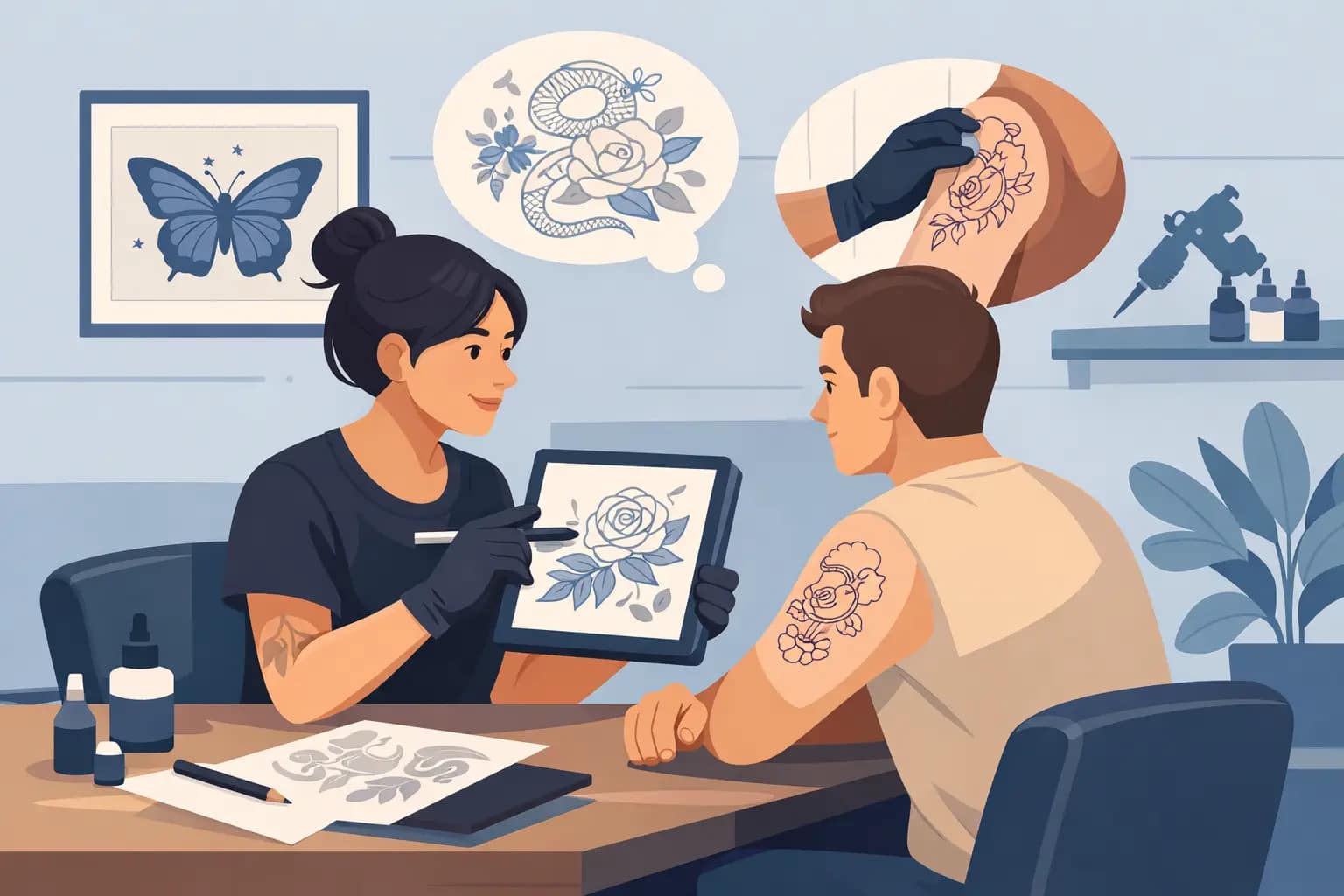
Every artist runs consultations a little differently, but the best ones follow the same core purpose. The artist needs to understand what you want, why you want it, where it will live on the body, and whether your ideas fit the style they actually specialize in. You need to understand how the artist thinks, what the process will require, and whether the collaboration feels right.
That means a consultation is not just about collecting reference images and picking a date. It is where the tattoo starts becoming custom instead of generic.
For some clients, the consultation begins with a detailed inquiry form. For others, it starts in person after an initial conversation online. Either way, the goal is the same: move from broad ideas like “I want a dragon sleeve” or “I want something meaningful” into design decisions that have structure. What kind of dragon? What mood? What movement? Is this a full sleeve, a half sleeve, or the beginning of a larger body suit plan? Should the piece feel bold and traditional, atmospheric and layered, or clean and graphic?
Those questions are not filler. They are what separate a tattoo that looks impressive for a year from one that reads clearly and ages with strength.
What to bring to a custom tattoo consultation
Come in with ideas, not a rigid blueprint. That tends to lead to a better result.
Useful references can include other tattoos, paintings, fabric patterns, Japanese imagery, nature references, or even a few photos that capture the mood you want. The key is giving the artist enough material to understand your taste without asking them to copy someone else’s work. A custom tattoo should reflect your direction, but it should still be designed from the ground up for your body.
It also helps to know your non-negotiables. Maybe you know the tattoo needs to honor a person, include a tiger, avoid certain symbols, or fit around existing work. That kind of clarity saves time. At the same time, flexibility matters. If you come in attached to one exact image that does not fit the anatomy or the style, the artist may guide you toward a stronger solution.
If placement is still open, say that. Some concepts gain power on a back, sleeve, or thigh because they need room to breathe. Others work best in a narrower format. A consultation is often where clients realize their original placement idea was not wrong, but it was limiting.
What the artist is actually evaluating
From the client side, it can feel like the artist is simply listening and asking questions. Behind the scenes, they are doing much more.
They are evaluating scale, flow, readability, and whether the concept suits the body part you chose. They are thinking about how skin moves, where natural breaks happen, and how to keep the design from flattening out once it wraps around an arm or leg. If the tattoo is in a Japanese or Neo-Traditional direction, they are also considering balance, negative space, rhythm, and how central elements interact with background structure.
They are also assessing whether your goals match their style. Not every good idea belongs with every artist. If someone specializes in bold, custom Japanese and Neo-Traditional work, they may not be the right fit for fine-line lettering, realism portraits, or tiny trend pieces. That is not a limitation. It is usually a sign of focus, and focus is often what leads to masterful work.
This is also where honest trade-offs come up. A highly detailed concept may need to be larger. A subtle symbolic piece may need bolder shapes than you expected if you want it to stay legible over time. A sleeve with too many competing ideas may need to be simplified so it reads as one composition rather than several disconnected tattoos.
The consultation is collaborative, but artist-led
Custom work should feel collaborative. It should not feel like you are ordering a product off a menu.
A strong artist listens carefully, but they also direct. If your idea needs editing, they should say so. If one image is stronger than another, they should explain why. If a certain motif carries cultural or stylistic weight, they should handle that with respect and clarity.
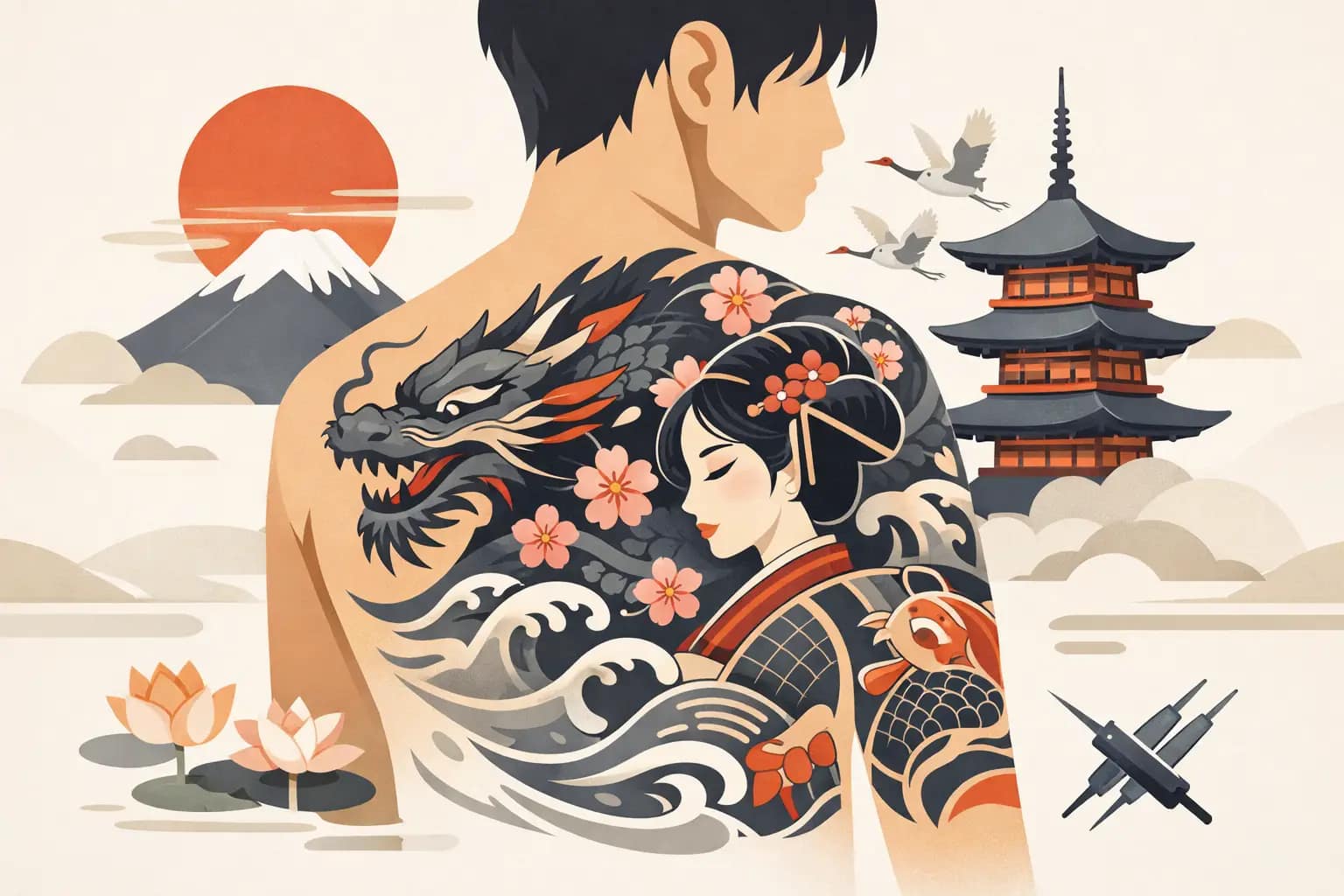
This is especially true with Japanese-inspired tattooing. Clients often arrive with broad visual references – koi, dragons, peonies, waves, masks, snakes, wind bars – without knowing how those elements traditionally interact or how they can be adapted in a way that feels intentional rather than random. The consultation is where those symbols stop being a collage and start becoming a composition.
That collaboration works best when both sides understand their role. Your job is to communicate your vision, priorities, and comfort level. The artist’s job is to shape that vision into a tattoo with structure, harmony, and staying power.
How custom tattoo consultations work for larger pieces
The larger the project, the more important the consultation becomes.
For a small custom tattoo, the conversation may be fairly straightforward. For a sleeve, back piece, chest panel, or ongoing body work, the artist needs to think beyond one session. They need to map the project, plan movement, and decide how major elements will lead the eye. They may discuss what area to start with, how many sessions the work may take, and whether the design should leave room for future expansion.
This is where patience pays off. Large-scale tattoos are not stronger because they are crowded with detail. They are stronger when the design has hierarchy. One area commands attention, supporting elements create motion, and breathing room keeps the whole piece readable from a distance.
Clients sometimes worry that they need every detail decided upfront. Usually, they do not. For bigger projects, what matters most at consultation stage is a clear concept, strong placement plan, and enough trust for the artist to build the design properly.
Questions about pain, timing, and budget
Most serious consultations also cover practical concerns. How long will the tattoo take? Will it be done in one sitting or several? How should you prepare? What should you expect during healing? What affects final pricing?
These are fair questions, and good artists answer them directly.
Pain is subjective, but placement matters. Timing depends on complexity, size, and how fast your body handles longer sessions. Budget usually follows the scale and intricacy of the work, not just the amount of ink used. A highly customized tattoo involves design time before the appointment even begins, and that creative labor is part of the service.
This is another place where honesty matters. If your budget and your vision are far apart, the artist may suggest scaling the piece differently, approaching it in stages, or simplifying certain elements. That does not weaken the tattoo. Often, it makes the final result stronger.
What happens after the consultation
Once the consultation is complete, the artist typically moves into design development. Depending on the project, that may mean sketching, refining composition, planning placement, and preparing for your first session. Some artists show final artwork ahead of time. Others present it on the day of the appointment, then make adjustments in person. Both approaches can work – it depends on the artist’s process and the complexity of the piece.
What matters is that by this stage, the direction is clear. You should know the overall vision, the expected scope, and what kind of collaboration to expect going forward.
If the consultation did its job, you leave with more than excitement. You leave with confidence. You know your idea was heard, but you also know it is being shaped by someone who understands composition, craftsmanship, and how to make a tattoo feel powerful years from now, not just on day one.
For clients looking for serious custom work, that is the real value of the consultation. It is where vision meets discipline. And that is usually where the best tattoos begin.