
A great Japanese tattoo does not start with a dragon, a koi, or a sleeve reference pulled from social media. It starts with a point of view. If you are searching for a custom Japanese tattoo Sacramento clients can wear for life, the real question is not just what looks bold on day one. It is what will still read clearly, feel personal, and hold its presence years from now.
That difference matters. Japanese-inspired tattooing has a visual language of its own – movement, balance, contrast, symbolism, and flow across the body. When that language is understood, the result feels intentional. When it is copied without structure, even strong individual elements can end up looking disconnected.
What makes a custom Japanese tattoo in Sacramento worth doing right
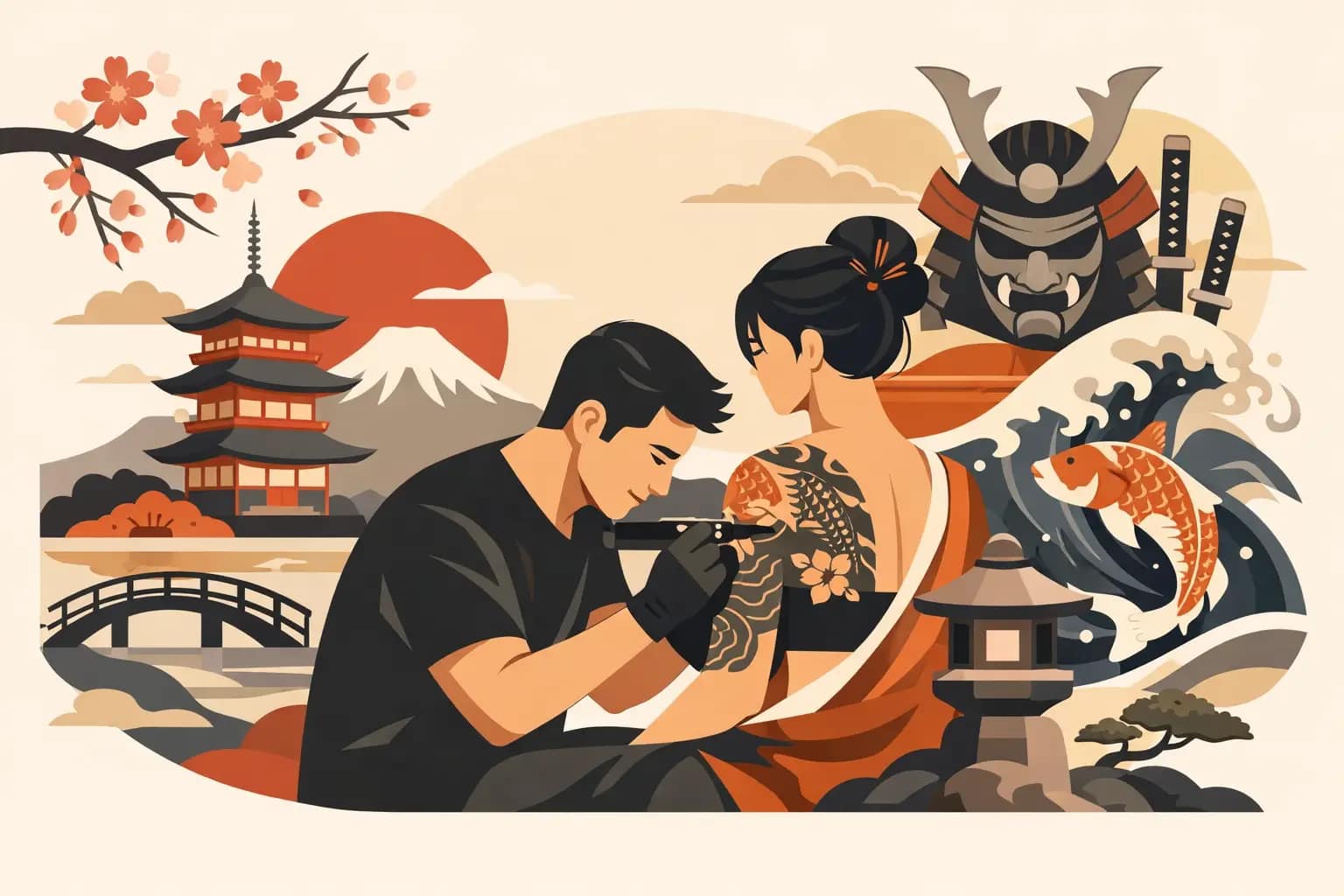
Custom work is not the same as picking a design off the wall and changing a few details. In Japanese and Irezumi-inspired tattooing, custom design means building a composition around your body, your story, and the way the piece will age. The image matters, but so does placement, background, pacing, and how the eye moves through the tattoo.
A sleeve, back piece, chest panel, or leg project should feel unified. That is where specialization shows. A skilled artist is not just drawing one subject well. They are creating relationships between the main figure, secondary elements, background, skin breaks, and negative space so the whole piece feels alive.
This is also where clients often see the gap between general tattooing and artist-led custom work. A generalist may be able to tattoo a tiger or snake. A specialist understands how that tiger should sit on the body, how the wind bars or waves support it, and how the composition can stay readable from multiple angles over time.
Why Japanese-inspired tattooing is more than style
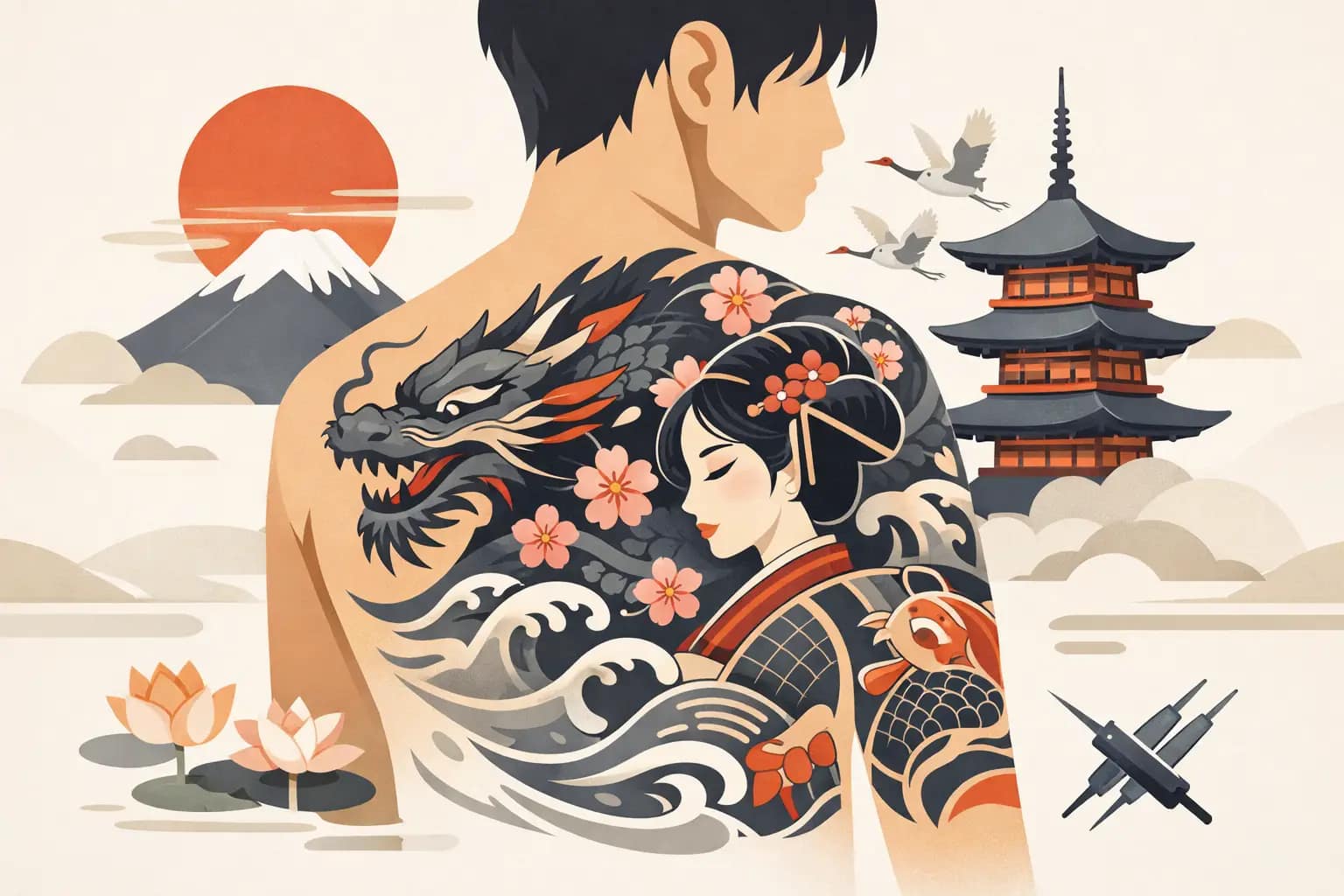
People are often drawn to Japanese tattooing because it looks powerful, but they stay committed to it because it carries meaning. Koi can speak to perseverance. Dragons can represent wisdom, strength, or protection. Peonies bring richness and beauty. Chrysanthemums, snakes, tigers, masks, waves, and maple leaves all bring their own weight.
That said, symbolism is not one-size-fits-all. A tattoo should not feel like a generic checklist of meanings. The strongest custom pieces use traditional references as a foundation, then shape them around the client’s intent. Sometimes that means honoring the classic symbolism closely. Sometimes it means choosing imagery for emotional resonance and visual impact first, then building a story around it.
There is nuance here. If you want a deeply traditional approach, your design choices may need to stay more rooted in established pairings and composition rules. If you want something more personal or Neo-Traditional in spirit, there is room to push the concept further while still respecting the structure that makes Japanese work feel timeless.
The difference between custom and copied
A lot of people come in with saved images, and that is completely normal. References help clarify taste. They show whether you lean bold and traditional, darker and moodier, highly ornamental, or more graphic and modern. But references should guide the conversation, not replace the design process.
A custom Japanese tattoo Sacramento collectors tend to value most is one that feels authored, not assembled. That means your artist is not tracing trends or remixing someone else’s finished piece. They are studying what you respond to, what part of the body you want to cover, and what story or energy you want the tattoo to carry.
The result is usually stronger because it fits you. Body shape changes the way a design reads. A shoulder cap needs different movement than a forearm panel. A rib piece demands different balance than a thigh tattoo. Good custom work respects that instead of forcing a flat image onto a curved surface.
How the design process should feel
The best custom tattoo process is collaborative, but it still needs leadership. You should feel heard, but you should also feel guided. If an artist simply says yes to every idea without shaping it, the piece can lose clarity fast.
A strong consultation usually starts with placement, scale, preferred subject matter, and overall mood. From there, the conversation moves into style direction, symbolic priorities, and practical realities like how much coverage you want now versus later. This matters because Japanese work often grows. A standalone tattoo can become a half sleeve. A chest plate can expand into a body suit. Planning ahead keeps those future options open.
There are trade-offs. More detail is not always better. A highly packed design may look impressive in a drawing but lose readability as the years pass. Larger forms, cleaner contrast, and disciplined composition often create the tattoos that age best. That is especially true in Japanese-inspired work, where flow and visual hierarchy do a lot of the heavy lifting.
Choosing the right artist for custom Japanese tattoo Sacramento work
If you are comparing artists, the portfolio should answer more than whether the work looks cool online. Look for consistency. Do healed tattoos still look strong? Does the artist understand large-scale flow? Are the backgrounds supporting the main subject, or competing with it? Do different pieces feel custom, or do they all repeat the same formula?
It also helps to look at specialization honestly. Japanese and Neo-Traditional tattooing reward depth. An artist who works in this lane regularly will usually make stronger decisions about composition, color, black and gray balance, and long-term readability than someone who only visits the style once in a while.
Comfort matters too. Large custom work is a commitment. You want an artist who can communicate clearly, set expectations, and create an experience that feels professional without feeling cold. Trust is part of the process. The better that trust is, the easier it is to make the design decisions that lead to a better tattoo.
For clients looking for artist-led custom work in Northern California, Dani Olmos Tattoo stands out by focusing on exactly that balance – craftsmanship, collaboration, and Japanese-inspired design built around the individual rather than the trend cycle.
Placement, scale, and why they change everything
One of the biggest mistakes people make is choosing the subject before choosing the right canvas. In Japanese tattooing, placement is not an afterthought. It shapes the rhythm of the whole piece.
A koi sleeve can create beautiful directional movement through the arm, especially when supported by water and background. A dragon may need broader space to breathe, making the back, chest, or full sleeve a better fit depending on the pose. Floral-heavy compositions can wrap elegantly around the leg or forearm, but they still need structure to avoid becoming decorative filler.
Scale affects impact just as much. If you want the authority of classic Japanese work, give the design enough room. Some subjects need size to read properly. Shrinking them too much can flatten the details and weaken the composition. There are always exceptions, but bold work usually benefits from breathing room.
Color, black and gray, and long-term visual strength
Japanese-inspired tattoos can be striking in full color or black and gray. The right direction depends on your goals, skin tone, wardrobe, and how dramatic you want the piece to feel. Color can bring richness and traditional energy. Black and gray can feel heavier, more restrained, and often more architectural.
Neither is automatically superior. What matters is contrast, clarity, and execution. Saturation should support the design, not overwhelm it. Background should frame the subject, not bury it. This is another reason custom planning matters. A piece that looks balanced in a sketch may need adjustment once it is translated onto skin.
If longevity is a priority, and it should be, your artist should be thinking about how the tattoo will soften over time. Clean composition, intelligent spacing, and strong values are what keep a tattoo readable years down the line.
Who custom Japanese work is really for
You do not need to be heavily tattooed to start a Japanese-inspired piece. You do need to care about the process. This style is a strong fit for clients who want more than a quick appointment and a trendy image. It works best for people who value symbolism, composition, and craftsmanship, and who are willing to let the artist build something with intention.
That includes experienced collectors and first-time serious clients alike. The common thread is not tattoo count. It is mindset. If you want a tattoo that feels personal, visually disciplined, and built to last, custom Japanese work offers a depth that few styles can match.
The right piece should feel like it belongs on you, not just in a portfolio. When the design is thoughtful, the execution is skilled, and the collaboration is real, the tattoo does more than make an impression. It becomes part of how your story is seen.